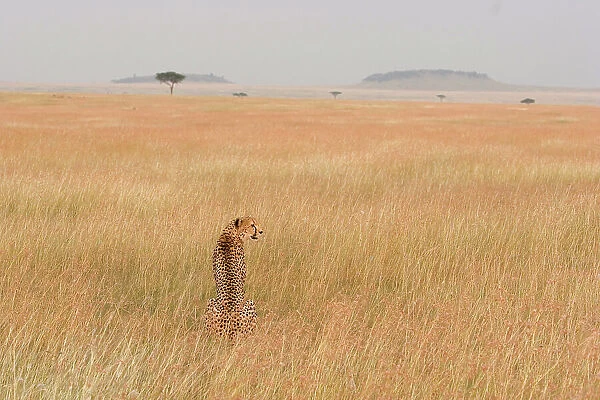
Cheetah Acinonyx jubatus female sitting in open savanna Biology Diagrams The food chain throughout the African savanna is shown on the left here. Plants and trees are the producers who photosynthesize, creating macromolecules which primary consumers such as zebras, steenbok, or elephants use to gain energy. These are primary consumers are then in turn eaten by secondary consumers such as cheetahs, hyenas or lions.
This is an African Savanna Food Web.See if you can identify all the parts of the food web that make this a functioning, healthy ecosystem. Look for: The Producers - the trees, shrubs and grass.. The Primary Consumers - the zebras and elephants.. The Secondary Consumers - the cheetah, hyena.. The Scavengers - the termites, vultures and hyena.. The Decomposers or Detritivores - mushrooms

Savanna Food Chain Trophic Levels and Components Explained Biology Diagrams
The Cheetah: A Remarkable Carnivore. Cheetahs (Acinonyx jubatus) are fascinating members of the big cat family, primarily found in sub-Saharan Africa, with a small population in Iran.They stand out not just for their speed—capable of reaching up to 70 miles per hour—but also for their unique adaptations that class them distinctly in the animal kingdom.
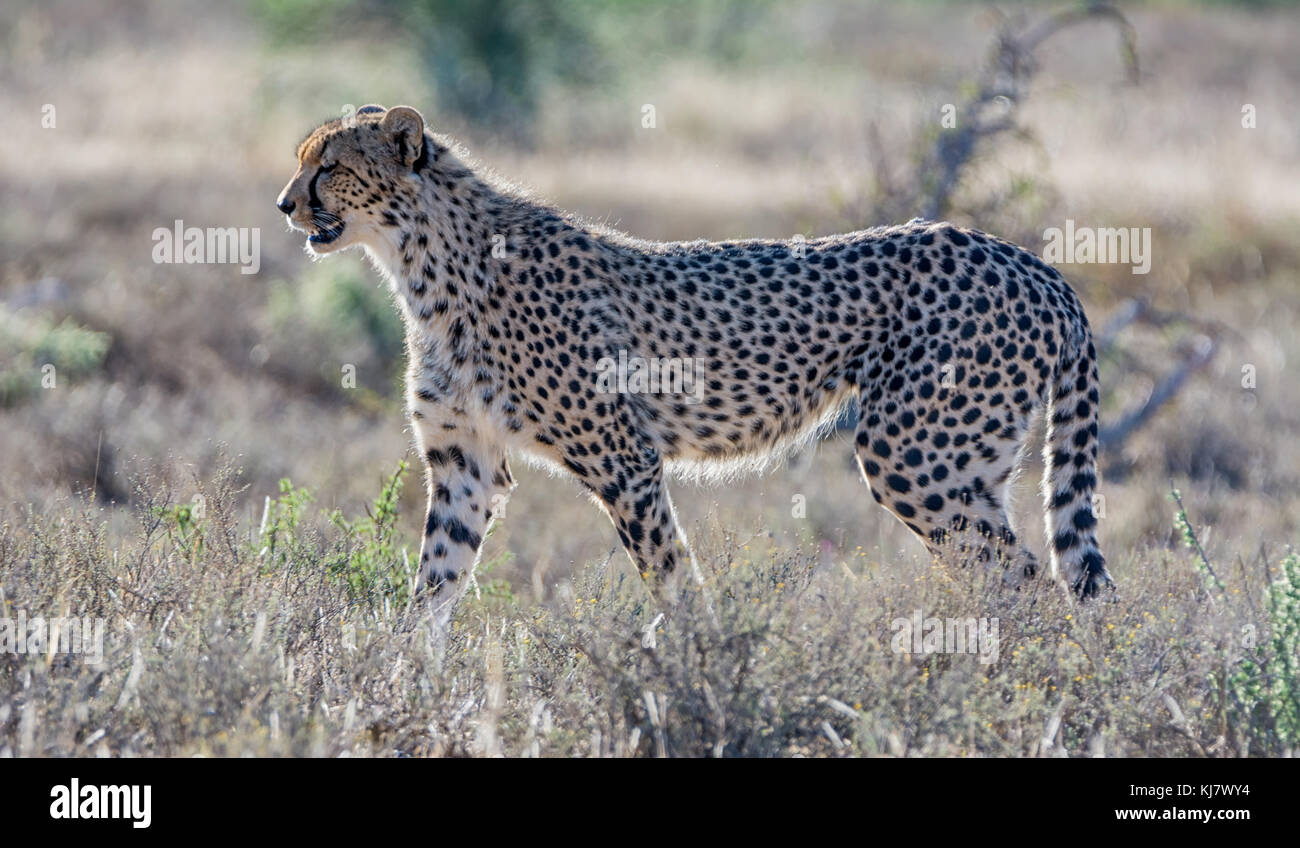
The cheetah is a large species of feline that lives primarily in the grasslands of Africa. Its speed allows it to chase other animals down for food and to avoid predators. The Food Chain ; Resources. American Wildlife Foundation: Cheetah ; Cheetah ; Photo Credits. Joshelerry/iStock/Getty Images. See More Animals. Facts & Information About

Savanna Food Web: 3 Astonishing Predator Biology Diagrams
Cheetah | Image Source: Natural Habitat Adventures. ⫸ Conclusion. The savanna food web is a marvel of interconnectedness. Every organism plays a crucial role, from the grasses that fuel the grazers to the predators that maintain populations. This delicate balance is vulnerable - changes at one level ripple throughout the system.
